Character-Appropriate Materials
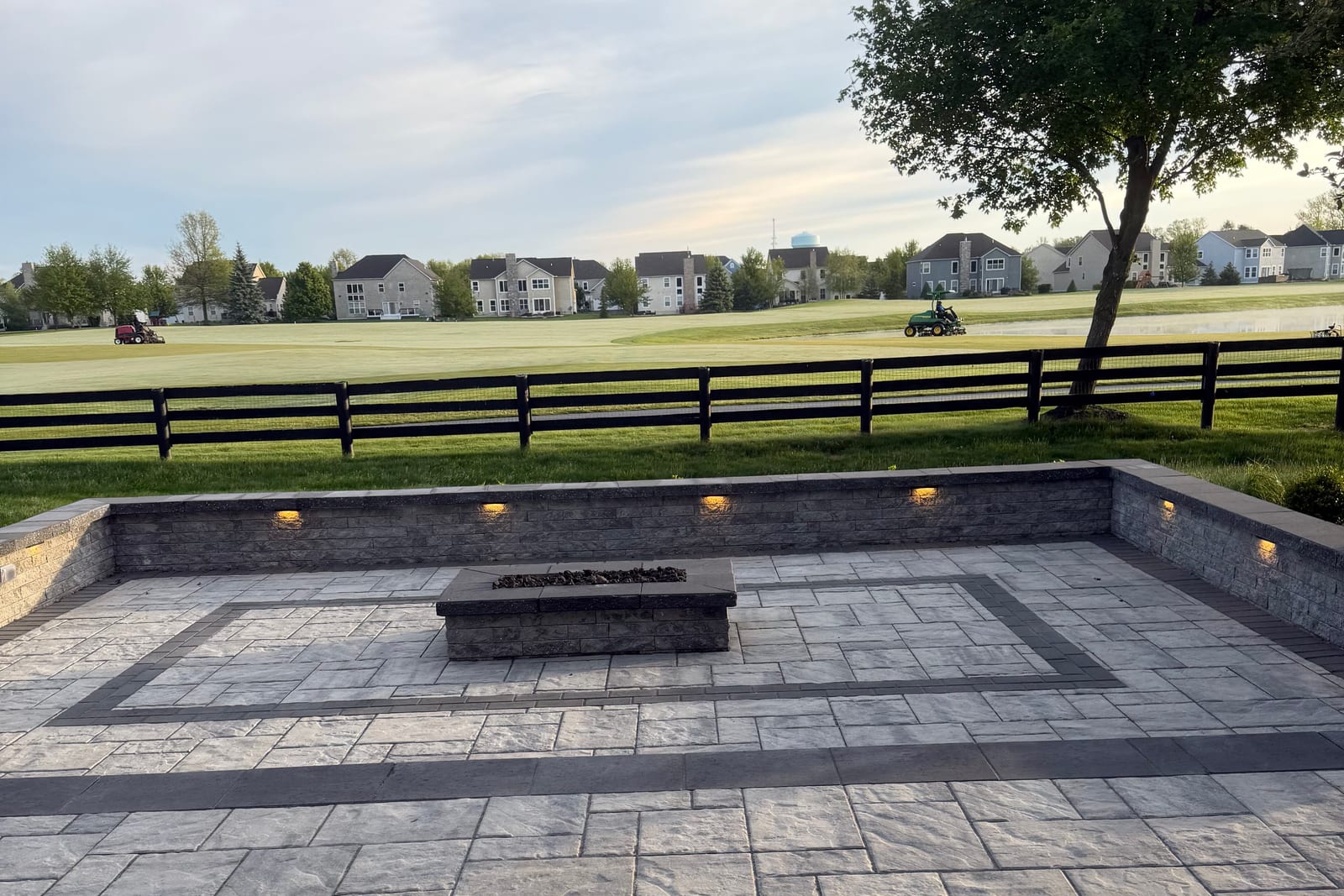
Paver style, colour, and stone selection weighed against the age and character of the house rather than defaulting to a catalogue standard.
Delaware County
A historic county seat where the right materials matter as much as the workmanship.
Delaware has two distinct landscape challenges in one city. Near the historic downtown and Ohio Wesleyan, the housing stock is genuinely old, with mature canopy and architecture that punishes a poor material choice. On the edges, newer subdivisions present the opposite problem — blank, level lots with no established planting at all. We work in both.
The Area
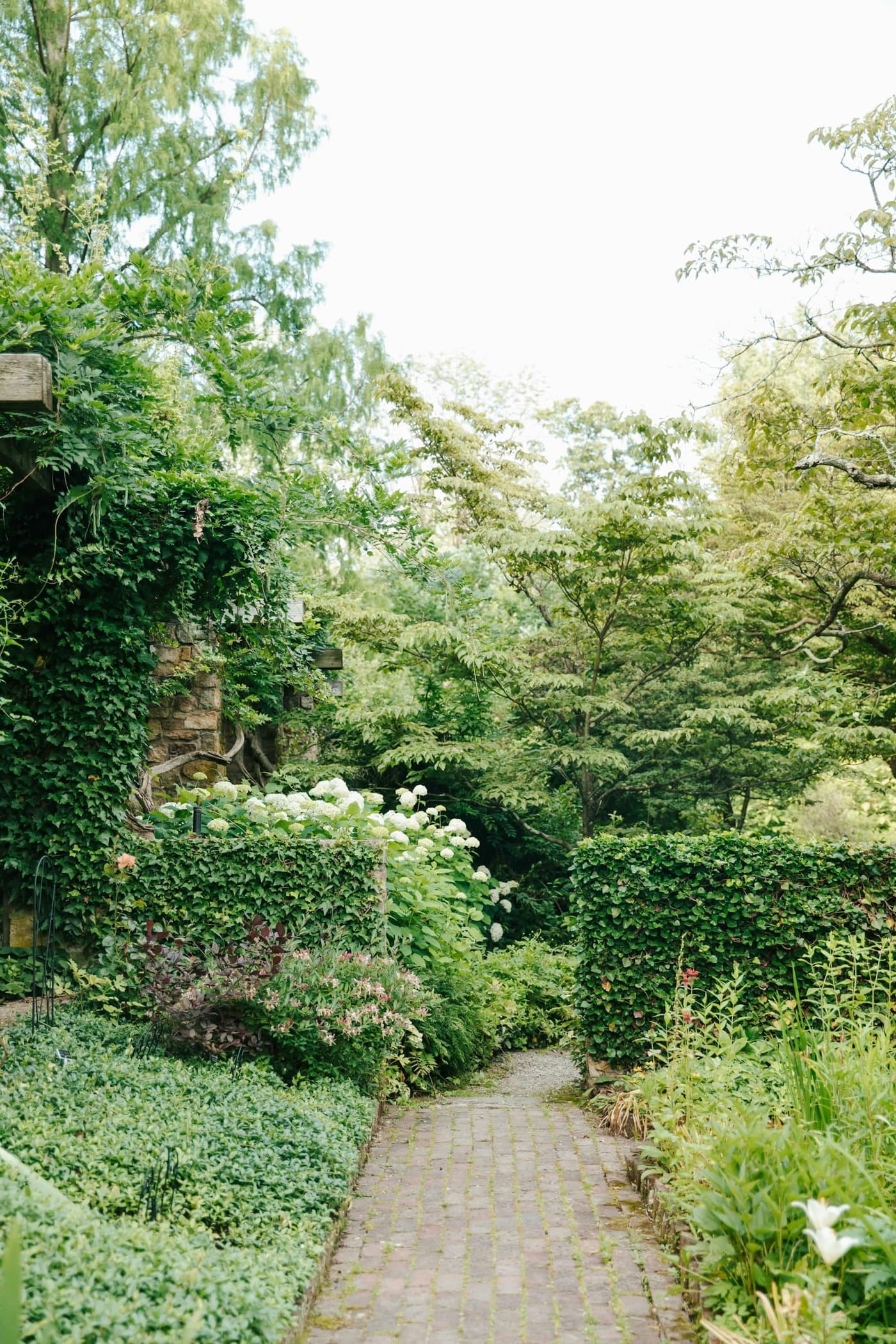
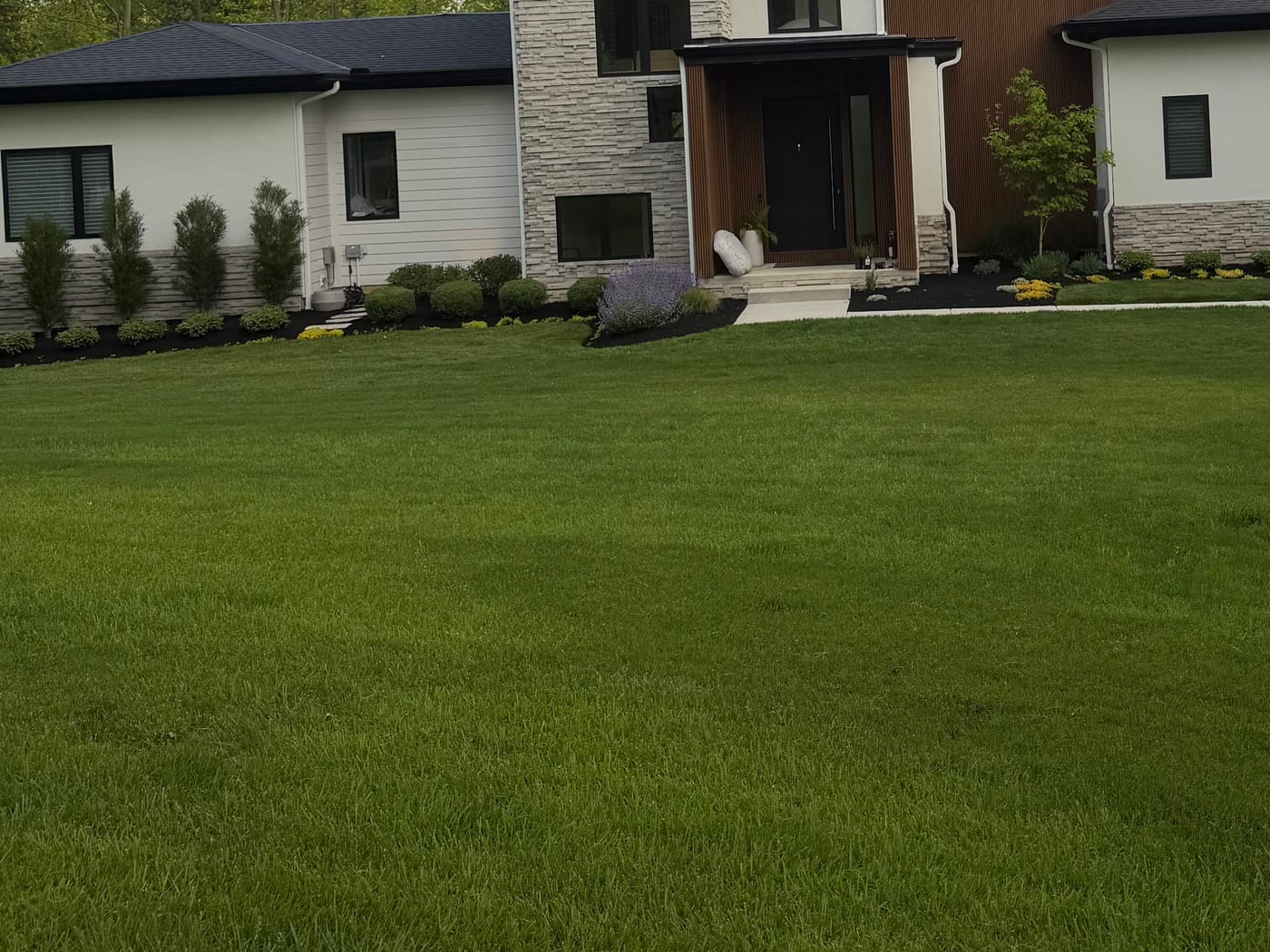
Older homes near the centre of Delaware come with mature shade, established grade, and architecture with a definite character — where a modern paver in the wrong colour will look wrong permanently, and where shade dictates what will actually grow. Newer subdivisions on the outskirts have the reverse problem: full sun, no structure, heavily compacted construction soil, and a blank slate. The right approach differs completely between the two.
On historic-era homes we steer toward material, colour, and texture that read as appropriate rather than fighting the house.
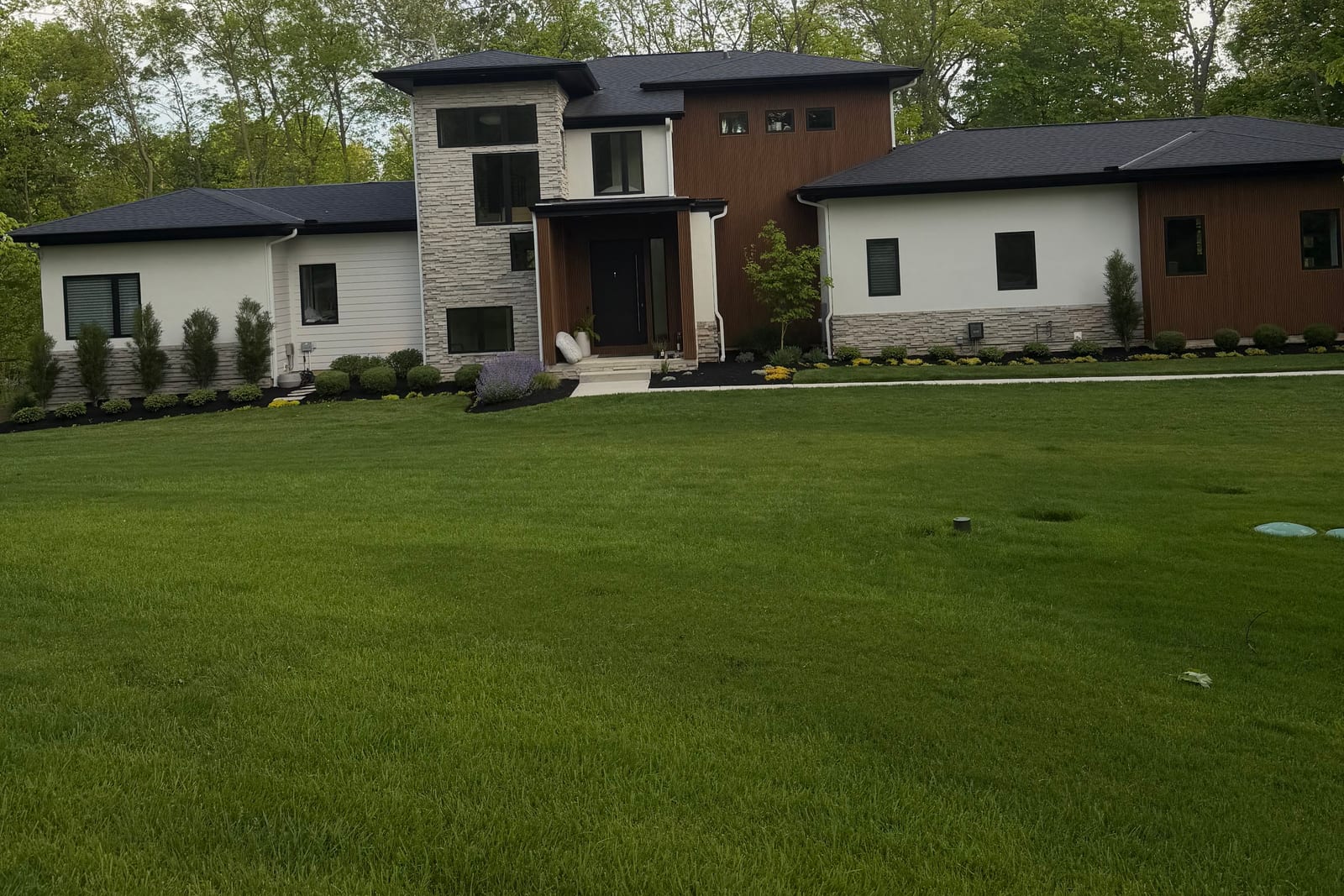
Construction traffic leaves subsoil badly compacted. On newer lots, preparation is most of the job — planting into that ground without it is throwing material away.
Glacial-till clay holds water, and water that freezes lifts whatever sits on top of it. Excavation depth, compacted base, and drainage are standard scope on every hardscape project rather than optional extras.
Local Considerations
Considerations that differ sharply between the older core and the newer edges.
Paver style, colour, and stone selection weighed against the age and character of the house rather than defaulting to a catalogue standard.
Established canopy near the older neighbourhoods means shade-tolerant selection, not sun-loving material that will thin out and fail.
Working around established root systems on older properties, since careless excavation near a mature tree can kill it years later.
On newer lots, breaking up and preparing construction-compacted ground before planting or laying sod.
New subdivision yards need structure from scratch — bed lines, layered planting, and hardscape that gives the property some shape.
Narrower drives and tighter side yards near the centre of town constrain equipment, which we plan for rather than discover on day one.
Michael and his team did a great job with our landscaping. We hired him to do a garden bed cleanup, edging and mulch. Michael was very responsive whenever I contacted him, and their work was clean and very nicely done.
Jamie Dones
Google Review · 5 stars
Local FAQ
Questions specific to working on properties in this area. General service questions are answered on each service page.
They can, which is why material selection matters more on older homes than on new builds. There are paver and natural stone options with the colour range and texture to sit comfortably against period architecture, and we will bring the choice back to what suits your house.
Usually. Mature canopy means turf will always struggle in deep shade, but shade-tolerant planting, groundcover, and hardscape are genuinely better answers than repeatedly reseeding grass that will not hold.
Yes, but only with preparation. Construction leaves subsoil severely compacted, so sod laid straight onto it roots poorly and thins within a season. Breaking up and preparing that surface first is the difference between a lawn and an expensive disappointment.
Start Your Project
Michael walks the property personally, talks through what you want, and gives you a clear scope and price before any work begins.